
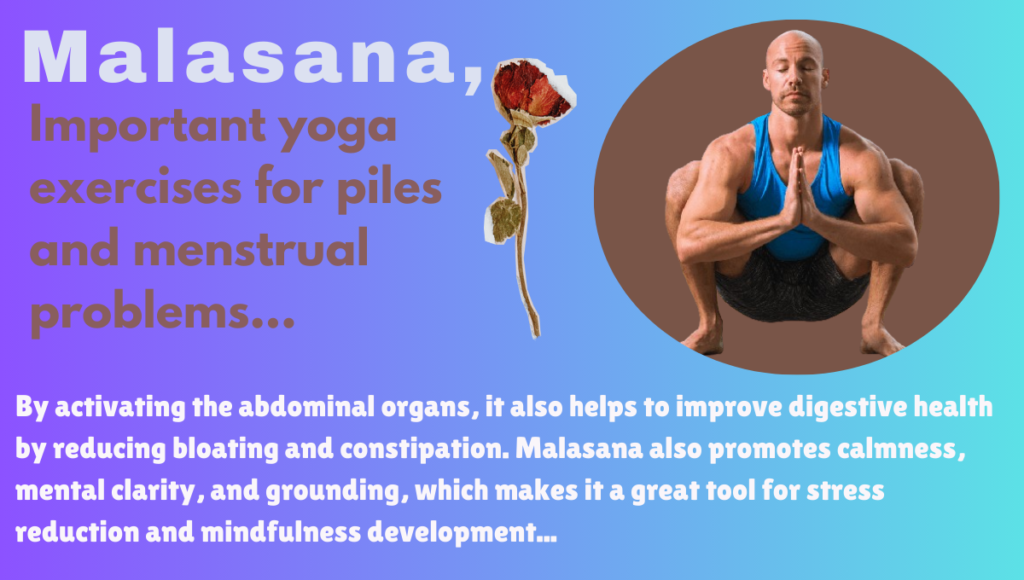
Malasana Benefits__
What is Malasana(Garland Pose)?
- Malasana, also known as the “Yogic Squat” or the “Garland Pose”, is a powerful yoga posture boasting several benefits that extend far beyond its simple appearance.
- One asana held in high esteem and regarded by some as the asana with transformative powers over body and mind is the deep squat, which brings the body into a crouching position on bent knees with hands pressed together.

- The “Malasana Benefits” are plenty and include strengthening the core, improving balance and stability while stretching the hips, ankles, and lower back.
- MalasanaThis helps to alleviate lower back pain and stiffness by stretching and opening up the low body.
- Malasana Benefits are two many and consist of the strengthening of the pelvic muscles or your core plus an increased flexibility on your lower back, hips and ankles.
- Malasana is a good pose for anyone looking to make their general digestive health better, as it serves to massage all the abdominal organs and stimulate healthy bowel movements, two way in which good digestion can potentially be helped.
- Malasana offers cognitive and emotional benefits as well as physical. It fosters steadiness and grounding, which can cause a sense of feeling safe and in charge for the practitioners.
- The Malasana Benefits are incredible for all who want to exercise in a well-rounded way.
- This powerful squat posture can be a valuable addition to any yoga routine, no matter your level of experience, as it can aid in cultivating more inner peace and physical power.
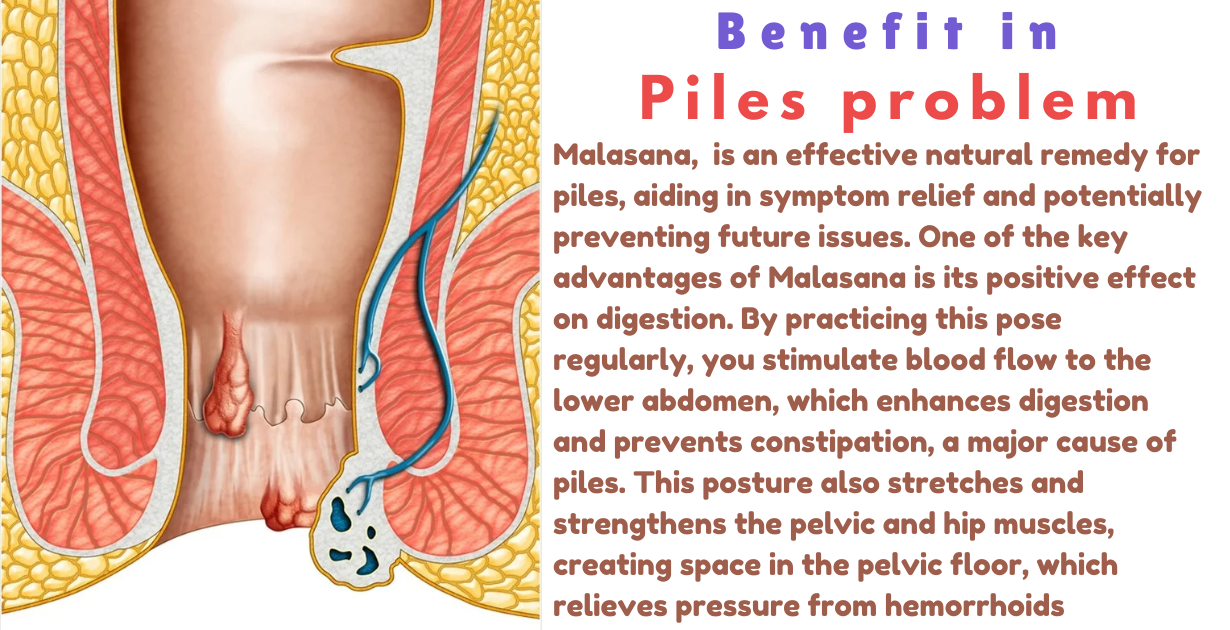
Malasana: A blessing for Piles__
- One of the “Malasana’s Benefits” is its positive effect on digestion; when you practise this pose quite often, you activate blood flow in the lower abdomen and this helps improve digestion, protect against constipation – a leading factor of piles – and it also stretches and strengths the pelvic and hip muscles opening up room in your pelvic floor so to relieve pressure from haemorrhoids.
- Malasana, also called as yogic squat pose is one of the natural treatment that removes your piles symptoms and can help you to ease its possible recurrence.
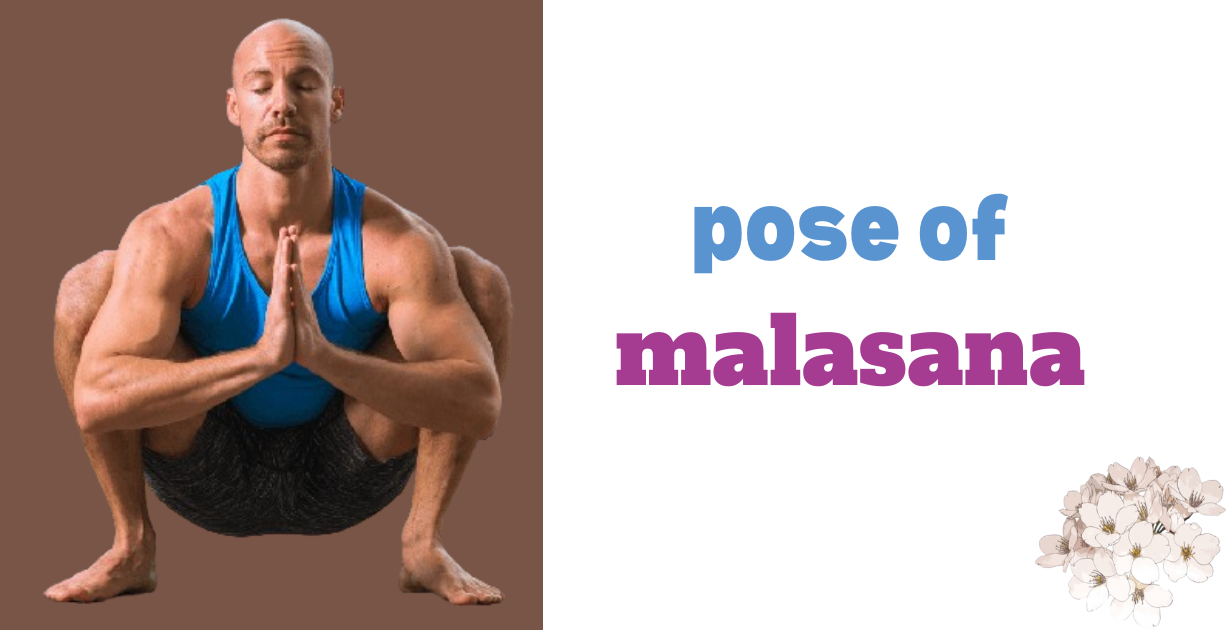
- Crouch with your feet together, heels on the floor and hands folded at the chest into a student’s prayer to perform Malasana.
- Keeping your back straight, press your elbows into your knees for a deeper stretch. Breathe deeply for 30 to 60 seconds and hold.
- This daily practice of Malasana helps in relieving the pain, it also relieves bowel movements and reduces pile swelling.
- You can reduce your piles and substantially improve your life quality in a pure way with this simple, inexpens.
Who Needs Malasana?
- The Garland Pose, or Malasana, is the perfect pose for those who are sitting all day and have tight hips, knees or ankles.
- It will be of special advantage to anyone who wants to develop great flexibility and open his hips.
- Since it tones the pelvic floor muscles, this pose can also benefit women who are pregnant or preparing for birth.
- Malasana Benefits include improved digestion, stronger lower body mobility and relief from lower back pain.
- It’s also great for improving posture and balance. However, for those with knee problems, cautious Malasana practice — and perhaps modified versions of Malasana — are reclinable poses recommended.
Special Malasana Benefits_(Flexibleness of the Hips)__
- Increasing more flexibility to the hips is one of those big “Malasana Benefits”.
- All tightness and tension is released as your hip joints are completely freed when squatting knee deep into this position.
- Regular practice helps with hip mobility, which is important for everyone who sits too much.
- Greater hip suppleness also assists with more challenging yoga poses, and keeps our hips from getting stiff as we age.
Read more__
How to perform Malasana__
- A series of exercises, termed “Malasana Benefits,” is designed to enable you reach proper position and enjoy the complete benefits of the pose (which is also called Garland Pose).
- Here is a step-by-step guide on how to do this beneficial pose:
- Starting Position: Step 1 Stand with your feet hip-width apart.
- Ensure that your toes are pointing a little bit outward in order to be inline with the natural position of your knees.
- The Descent: Lower into a squat and lower the hips to the floor.
- For trying to get those heels as close to the ground as possible.
- If your heels come up off the floor, you can put a blanket or yoga block beneath them to support them.
- Knee Adjust: Open your knees to track over your toes.
- This reduces the demand on your knees, and opens up your hips a little.
- Hands to Your Heart Center: Bring your palms together at your heart center in a prayer pose.
- For an even deeper stretch, to further open your hips, press your elbows into the inside of your knees.
- Remember: Keep back straight and chest up. “Contract your core to keep yourself balanced and stable.
- Hold and Breathe: Keep the pose for a minute, or 30 seconds while you focus on taking long, deep breaths.
- This makes it easier for you to get all the “Malasana Benefits”, which are better digestion, groundedness and flexibility.
- Release and Repeat: Tuck your feet back, lowering your legs behind you and then standing up.
- Repeat as many times as you feel like, lengthening the time gradually as you become more comfortable (and limber!).
- You can safely work your way into Malasana and enjoy its potential benefits (a better lower body, more open hips, a healthier gut) by doing the following.
Some useful Precautions before practicing Malasana__
- The Garland Pose, Malasana, is a great yoga pose that increases flexibility and helps you to open your hips, works the lower body and brings awareness.
- But it is also necessary to take certain measures so that you do not put yourself at risk and be able to benefit from the full “Malasana Benefits.”
- First and foremost, Malasana should be approached with caution if you have knee, hip or lower back issues.
- And the low squat position can exacerbate these problems. Props, like a yoga block or cushion under the heels, can help unload and provide extra support.
- It’s essential for pregnant women to talk to their healthcare professional prior to attempting any posture, as deep squatting may not be recommended at all stages of pregnancy.
- Additionally, people who have recently had surgery or injury and do not have medical clearance should avoid this position.
- In order not to hurt them, beginners should focus only on keeping the correct placement.
- Ensure your feet are about hip-width apart and keep your spine straight as you drop down.
- The core muscles help with balance and stability.
- By following these safety tips, you can use and enjoy all those “Malasana Benefits” (better digestion, stronger legs and more flexibility) without risks.
Another Most Important “Malasana Benefits”__
Garland Pose – also known as Malasana Garland Pose is a popular yoga pose with several emotional and physical benefits.
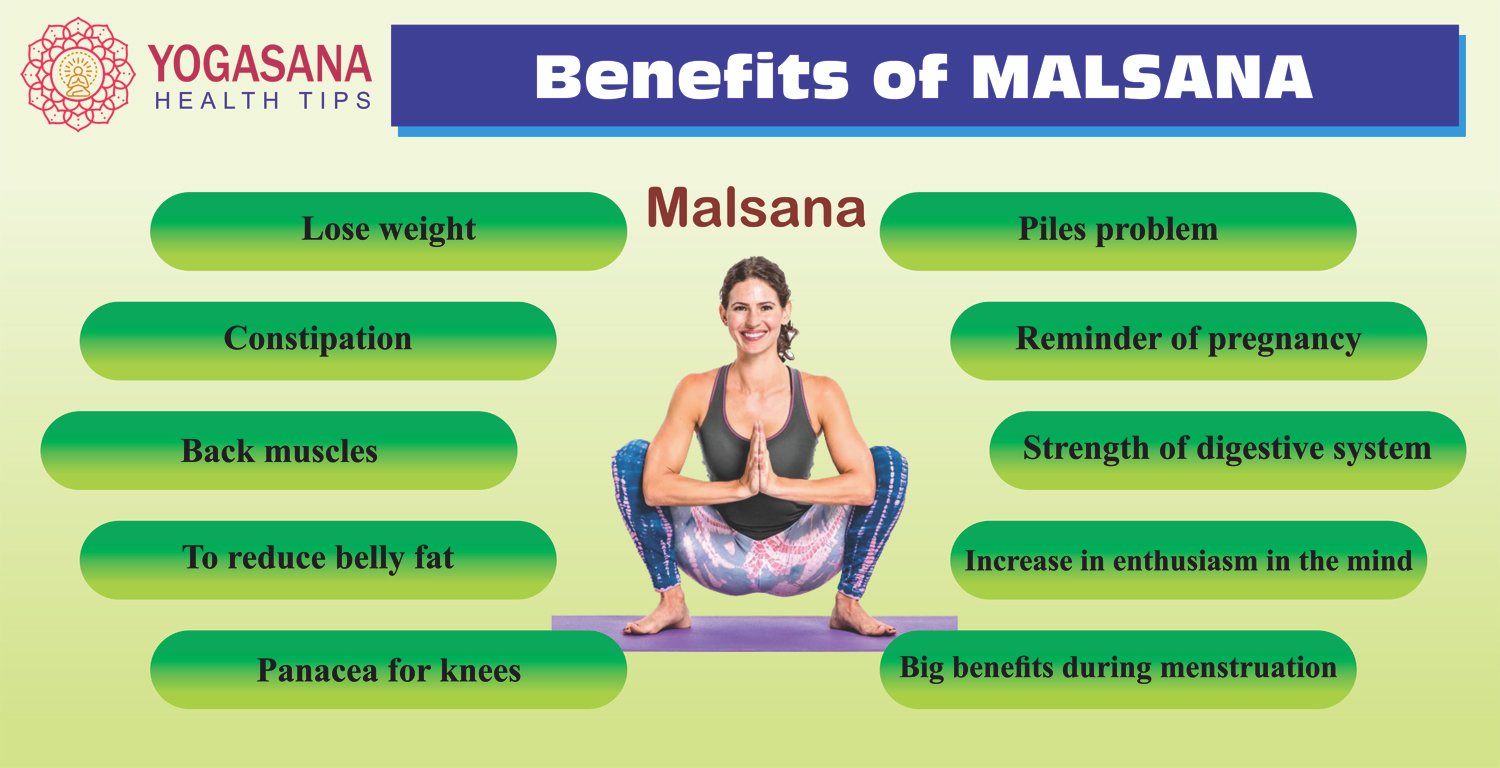
This pose kind of like deep squatting on your head very works inner awareness, flex and balance.
The following some major “Malasana Benefits” will seriously upgrade both your overall health, and yoga practice:
Makes the Lower Body Stronger
- Malasana targets the thighs, calves and glutes among other muscles of the lower body.
- Holding the squat position helps to make your legs contract strongly over time, adding tone and strength.
- As a result, Malasana is an excellent vehicle to strengthen your lower body without lifting heavy weights or training too hard.
Facilitates Digestion
- Another frequently-overlooked “Malasana Benefits” is the effect of it on digestion.
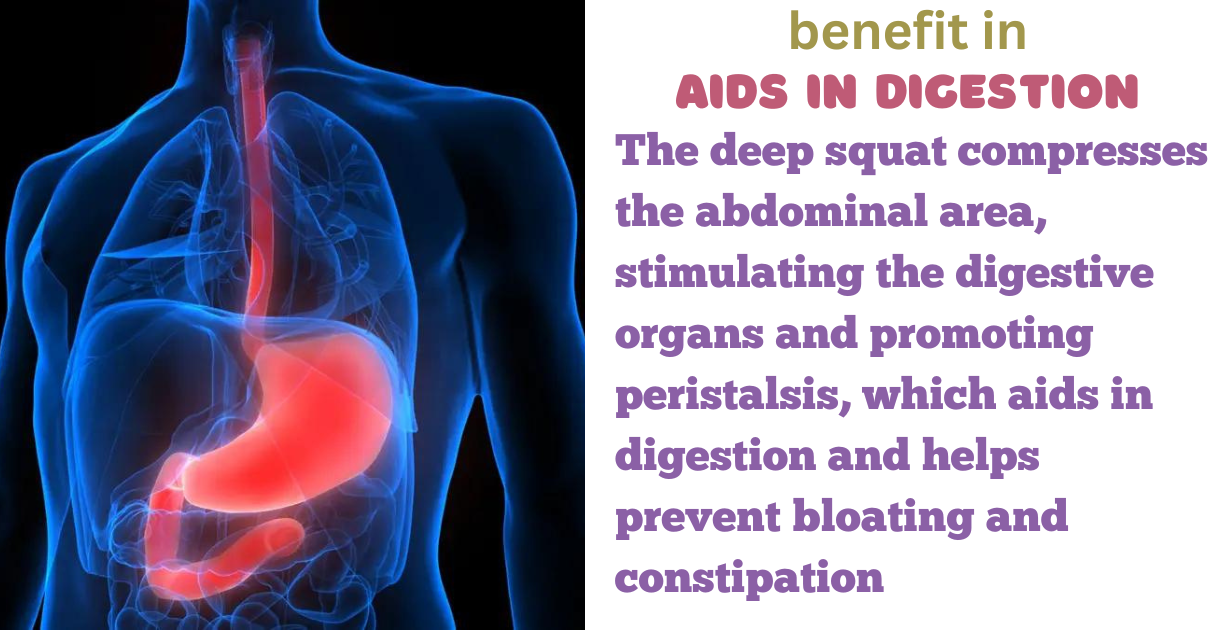
- By pressurizing the abdomen, the deep squat/ helps persistalsis of the digestive system, aiding digestion and preventing bloating and constipation.
- Malasana can be particularly useful for people who suffer from digestive issues – If it’s so effective, why don’t we perform malasana regularly?
Enhances Balance and Posture
- Malasana helps with posture because it stimulates your lower back and core muscles.
- It promotes better alignment in whatever you do, and it makes your spine healthier by allowing you to sit upright as well as balancing.
- Thisimproved alignment may reduce the risk of backpain and otheralignment-related pains.
Calms the Thought
- Malasana is good for the mind too. The posture encourages focus and deep breathing, which may help reduce brain tension and foster peace of mind.
- This position is good for relaxation and clarity of mind, as it helps with mindfulness by being attentive to your breath and body alignment.
- Lastly, “Malasana Benefits” extend far beyond the physical benefits of health and flexibility! From better digestion to a more peaceful mind, this all-purpose pose is an amazing staple of any yoga routine.

Relieve Constipation and Bloating
- The “Malasana Benefits” are not limited to better physical health. If you have tight hips these people will – for those with inactive lifestyles – enjoy this deep squat position as it delivers significant benefit by increasing hip flexibility.
- Also, it activates the abdominal organs to facilitate digestion for relief from constipation and bloating.
- Malasana is also good for sculpting the lower body, particularly your butt, thighs and calves.
- Mentally, this pose encourages awareness and deep breathing relaxing the body and mind. All in all Malasana is good for the mental and physical health.
Conclusion:
There are many other “Malasana Benefits”But, for the most part, I think it’s safe to assume that Malasana is a great pose if you want to improve your overall life. This deep squat reinforces your lower extremity muscles and core with better mobility through the hips, ankles and low back. It is also excellent for the abdominal organs, improves digestive health so that bloating and constipation become much less of a problem. Malasana also has a calming and grounding effect on the nervous system, which makes it an excellent pose for stress management, reducing anxiety and mindfulness cultivation. Adding Malasana to your practice can have a huge impact on overall health.
FAQ:
What is the “Malasana Benefits”?
Malasana has a tons of benefits such as better digestion, reduced belly fat, heightened mental stimulation, relief from piles and spine or knee problems.
For how long Malasana must be done?
Come into Malasana according to your ability and aiming for 5-10 cycles for young people, 2-5 cycles is fine for elderly players.
How is Malasana helpful in piles?
Malasana being targeted to the muscles around the anus, is good for piles and constipation.
What is the best yoga for knee problems?
Malasana is one of the best yoga exercises for knee problems because it helps to improve both flexibility and strength in the knees.
How does Malasana help during menstruation?
Malasana’s pressure on the lower waist and thighs effects hormone equilibrium, relieving menstrual problems.
Pingback: 5 Surprising "Benefits of Padmasana" : Transform Your Wellness with Padmasana » yogasunshivs.com
Pingback: 5 Incredible "Benefits of Sarvangasana" : Ultimate Yoga Pose for Vitality » yogasunshivs.com
Pingback: 5 Surprising "Benefits of Vajrasana" for Mind and Body » yogasunshivs.com
Pingback: 5 Unbelievable "Benefits of Mayurasana" : Boost Core Power and Balance » yogasunshivs.com
Pingback: Mandukasana’s Benefits : 2 Remarkable effects for sugar control - yogasunshivs.com